
























Elon Musk Unveils Unexpected Challenge for Nvidia

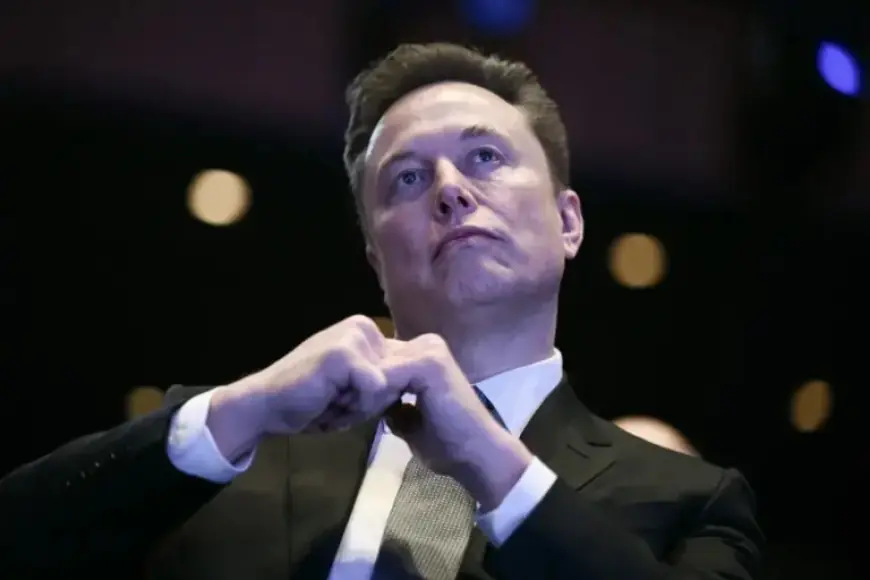
Tesla is intensifying its competition with Nvidia as CEO Elon Musk announces significant advancements in the company’s self-driving technology. This past weekend, Musk revealed that Tesla’s AI5 self-driving chip is close to completion, while development of the next-generation AI6 chip is already underway.
Elon Musk Challenges Nvidia with Tesla’s AI Advancements
On January 19, 2026, Musk took to X to outline Tesla’s renewed focus on artificial intelligence (AI) training. He stated that the company is restarting its Dojo 3 program, which will enhance Tesla’s capabilities in large-scale AI training. This move comes after Tesla had previously scaled back its efforts.
Nvidia’s Competitive Response
Nvidia recently launched “Alpamayo,” an autonomous vehicle AI toolkit designed to serve as a default platform for various brands. This announcement was made during the CES 2026 event. In contrast to Nvidia, Tesla aims to keep its self-driving technology in-house, creating a comprehensive ecosystem that includes both hardware and software.
Advantages of Tesla’s Closed Ecosystem
- Tesla’s AI5 chip, produced by Taiwan Semiconductor Manufacturing Company, is set for high-volume production in 2027.
- Collaborations with Samsung Electronics will also facilitate U.S.-based chip production.
- The AI5 and AI6 architecture will enable Tesla to run its Full Self-Driving neural networks in the car, eliminating reliance on third-party chips.
This strategic decision grants Tesla a competitive edge in supply chain management and unit costs. However, it is important to note that Tesla previously distanced itself from Nvidia for in-car computing back in 2019, making this move a reinforcement of its existing strategy.
Nvidia’s Comprehensive Solutions
Nvidia provides a comprehensive platform for automakers, allowing them to bypass lengthy custom development processes. Their solutions include:
- DRIVE AGX in-vehicle computers (Orin and Thor).
- A complete software stack comprising DRIVE OS and DriveWorks.
- DRIVE Hyperion, a validated reference vehicle platform.
- Safety and validation tools under the NVIDIA Halos program.
Nvidia’s offerings are particularly appealing to companies that lack the resources for extensive research and development in AI technology.
The Future of AI Training
While Tesla is refining its self-driving chips, the sheer computational power required for training advanced AI models remains Nvidia’s stronghold. For instance, Meta utilized over 16,000 Nvidia H100 GPUs to train its Llama 3.1 model, showcasing the immense scale and energy demands of modern AI training.
By restarting the Dojo 3 project, Tesla aims to bolster its training capabilities but will likely still rely on Nvidia’s robust resources for large-scale needs. This dual approach indicates a hybrid future, where Tesla develops its training technology while benefiting from Nvidia’s established ecosystem.
The rivalry between Tesla and Nvidia is becoming increasingly integral to the advancement of autonomous vehicle technology, with both companies positioning themselves as crucial players in the evolving landscape.